
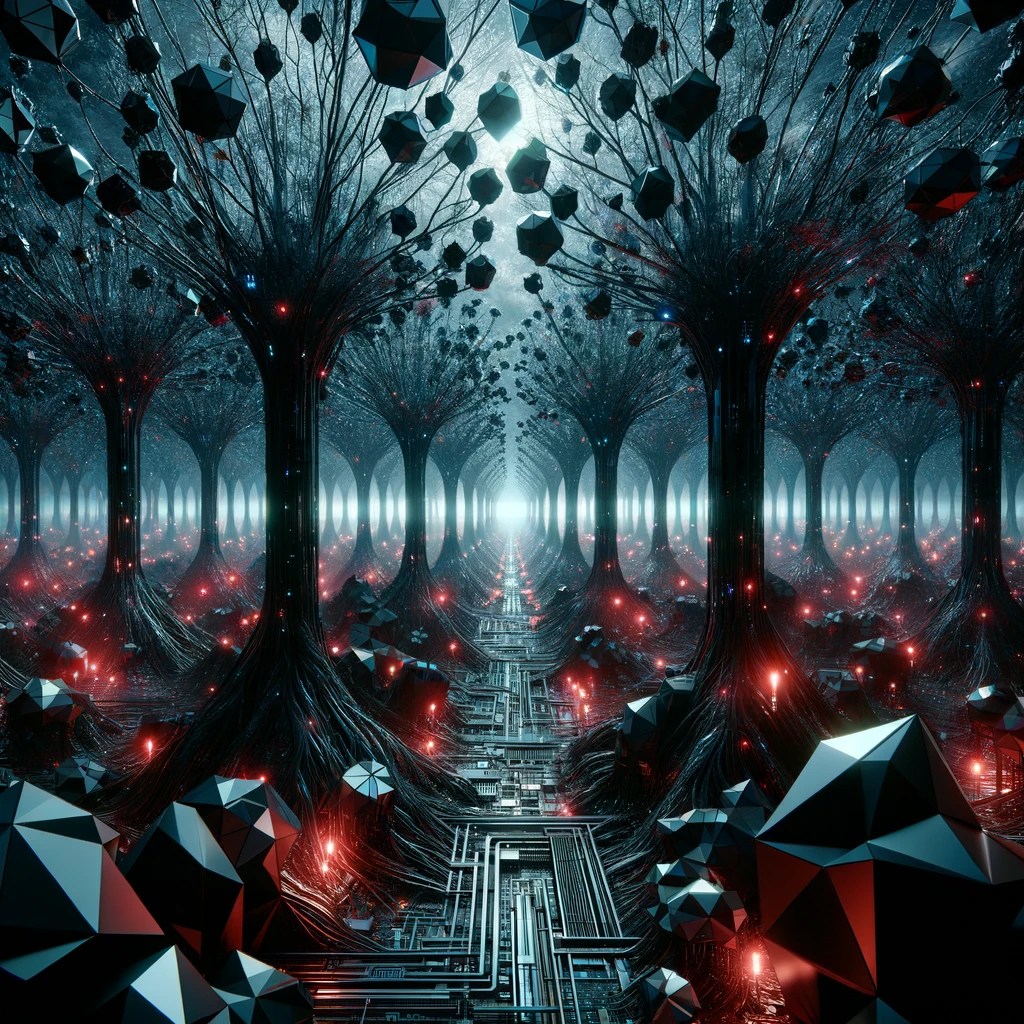
In the intricate tapestry of the digital world, the advent of generative AI as a content creator marks a pivotal shift, transforming the landscape of online information and interaction. As this innovative technology burgeons, it ushers in a new era where the delineation between human creativity and algorithmic output becomes increasingly blurred. This blog explores the multifaceted dimensions of generative AI in content creation, the metaphor of the internet as a dark, enigmatic forest, and the burgeoning proliferation of AI-generated content, shaping a new paradigm in our digital interactions.
1. Generative AI: The New Content Creator on the Block
Generative AI, a groundbreaking facet of artificial intelligence, has begun to redefine the contours of content creation across the digital expanse. This technology encompasses sophisticated algorithms capable of generating text, images, and multimedia content, drawing from vast databases of existing online materials. These systems do not merely replicate but create anew, weaving content that can mimic the nuances of human creativity. From crafting articles and designing images to composing music and scripting videos, generative AI’s capabilities are vast and ever-evolving.
The significance of generative AI as a content creator lies not just in its efficiency and volume but in the sophistication of its output. With advancements in machine learning and natural language processing, these systems are now capable of producing content that is increasingly difficult to distinguish from human-generated work. This technological marvel is not without its implications. As it assumes a more prominent role in content creation, questions about authenticity, originality, and the very nature of creativity come to the fore, challenging our traditional perceptions of artistry and authorship in the digital realm.
2. The Dark Forest Metaphor: Understanding the Concept
Delving into the metaphor of the internet as a dark forest, we confront a landscape transformed by the proliferation of AI-generated content. In this analogy, the internet, once a clear expanse of information, increasingly resembles a dense, shadowed forest where genuine human creations are obscured amidst a thicket of AI-generated content. This metaphorical dark forest is populated with algorithmic entities that mimic life – the genuine interactions and original content that were once easily discernible.
Navigating this dark forest requires a new kind of digital literacy. The challenge lies not only in discerning the human from the algorithmic but also in appreciating the value and authenticity of content in an environment teeming with AI-generated materials. This metaphor extends beyond the mere increase in content volume; it reflects a fundamental shift in the ecology of the internet, where the boundaries between human and machine-generated content blur, altering the way we perceive and value information and connections in the digital realm.
3. The Proliferation of AI-Generated Content
The exponential growth in AI-generated content has profound implications for the digital landscape. As generative AI systems become more accessible and sophisticated, they contribute to an unprecedented increase in the volume of content on the internet. This proliferation encompasses a wide array of media – from textual articles and social media posts to complex graphics and interactive multimedia.
This surge in AI-created materials reshapes the dynamics of content consumption and creation. For content consumers, it presents a new challenge in discerning the origins and authenticity of what they consume. For creators, it brings both opportunities and challenges; while AI can augment creative processes, it also raises questions about the uniqueness and value of human-generated content in an increasingly AI-saturated space.
4. Blurring the Line: AI vs. Human-Created Content
In the digital age’s current narrative, discerning between AI-generated and human-created content presents a formidable challenge. As generative AI technologies advance, their capabilities in mimicking human-like creativity and thought patterns have grown exponentially. This evolution blurs the line between what is algorithmically synthesized and what is organically conceived by the human mind, presenting an intriguing yet complex dilemma.
This convergence of human and AI creativity poses intricate challenges. One of the primary concerns is the increasing difficulty in distinguishing the origins of content. AI algorithms, equipped with learning capabilities, now produce works that parallel the depth and nuance typically associated with human creativity. From intricate articles to sophisticated artworks, AI’s output is increasingly becoming indistinguishable from human-generated creations.
The implications of this blurring line are profound. It extends beyond the realms of intellectual property and copyright into the very essence of creativity and expression. Questions arise regarding the value we assign to originality and the definition of creativity itself in an age where algorithmic and human ingenuity coexist and often overlap.
5. The Quality Conundrum: Authenticity vs. Quantity
The surge in AI-generated content raises pivotal concerns regarding the quality and authenticity of digital creations. As AI continues to populate the internet with a voluminous array of content, a critical question emerges: does this abundance compromise the quality and authenticity that has long been the hallmark of human creativity?
The essence of this conundrum lies in the dual nature of AI-generated content. On one hand, AI excels in generating large quantities of content swiftly, a feat that aligns with the ever-growing demand for new and varied digital material. On the other hand, this efficiency might come at the cost of diluting the authenticity and uniqueness that is often intrinsic to human-created works.
This saturation of AI-created content could potentially lead to a digital ecosystem filled with generic, uninspired creations, shadowing the original, thought-provoking works of human origin. As a result, the internet could become a landscape where quantity overshadows quality, and the authenticity of content is continually under scrutiny.
6. Navigating the Maze: Identifying Genuine Content
In this burgeoning landscape of AI-generated content, distinguishing genuine human-created material becomes a task akin to navigating a complex maze. However, several strategies and tools can assist in this endeavor, ensuring that the essence of human creativity remains discernible amidst the AI-driven deluge.
A key strategy involves focusing on the uniqueness and depth of content. Human creativity often leaves subtle imprints – a reflection of individual experiences, emotions, and perspectives that AI may find challenging to replicate fully. Observing these nuances can serve as a beacon in identifying human-created content.
Additionally, leveraging the evolving nature of human language and culture can be instrumental. AI, despite its learning capabilities, may lag in adapting to the rapidly changing landscapes of linguistic expression and cultural references, often intrinsic to human-created works.
Technological tools and platforms also play a crucial role in this context. Software designed to analyze content origin, plagiarism checkers, and content verification systems are increasingly incorporating features to distinguish between AI-generated and human-created works. These tools, combined with vigilant human oversight, form a comprehensive approach to preserving the authenticity and integrity of human creativity in the digital realm.
7. The Evolving Language and Culture Barrier
In the digital cosmos where AI-generated content proliferates, the rapidly evolving nature of human language and culture presents a formidable obstacle for artificial intelligence. The fluidity and subtlety inherent in human communication stand as significant challenges for AI systems, which, despite advancements, struggle to keep pace with the dynamism of linguistic nuances and cultural shifts.
Human language is characterized not only by its diverse vocabulary and grammar but also by its contextual and cultural underpinnings. Colloquialisms, idioms, and slang evolve continuously, influenced by social trends, current events, and cultural movements. AI systems, though proficient in processing vast datasets, often falter in comprehending these subtle shifts and the complex web of cultural references and connotations.
Moreover, the richness of human communication lies in its ability to convey not just information but also emotion, irony, and humor, often in nuanced and sophisticated ways. Capturing the essence of these elements remains a significant challenge for AI. As a result, AI-generated content can sometimes appear lacking in depth and emotional resonance, making it distinguishable from content borne out of the human intellect and experience.

8. Verifying the Real: Institutional and Technical Solutions
As the Dark Forest of the internet grows denser with AI-generated content, the need for reliable verification systems becomes critical. Both institutional and technological solutions are being explored to ensure the authenticity of online content.
Institutional verification systems might involve regulatory bodies or industry coalitions setting standards and guidelines for content authenticity. These organizations could provide certification or badges to content verified as human-generated, much like the verification processes used on social media platforms.
Technologically, advancements in AI and machine learning offer promising solutions for content authentication. Algorithms designed to detect patterns indicative of AI generation are being developed. These tools analyze content for telltale signs of AI authorship, such as certain syntactic patterns, repetition, or lack of contextual understanding.
Blockchain technology could also play a role in verifying content authenticity. By creating immutable records of content creation and changes, blockchain can provide a transparent and tamper-proof way to track the origins and modifications of digital content, lending credibility and traceability.
9. The Psychological Impact of the Dark Forest
The proliferation of AI-generated content in the metaphorical Dark Forest of the internet is poised to have profound psychological impacts on how we perceive and trust the web. As the lines blur between AI and human-generated content, skepticism and uncertainty grow, potentially eroding our trust in the digital content we consume daily.
This trend could lead to a form of digital skepticism, where internet users increasingly question the authenticity and origin of the information they encounter online. Such skepticism might foster a cautious approach to digital consumption, but it also risks engendering cynicism and disillusionment with online sources.
Additionally, the Dark Forest scenario might impact our psychological relationship with technology. As AI becomes more prominent in generating content, we might start to see digital interactions as less personal and authentic, potentially affecting our emotional engagement with online content.
The psychological impact extends to content creators as well. As AI-generated content becomes more prevalent, creators might feel pressured to distinguish their work clearly, striving for unique, unmistakable human signatures in their creations. This pressure could either stifle creativity or, conversely, drive innovation and a renewed emphasis on originality and personal expression.
10. The Ethical Implications of Generative AI
The ethical landscape surrounding generative AI is rich and complex, provoking vital conversations about the responsibilities inherent in its usage. As AI systems become increasingly adept at creating content that mirrors human artistry, ethical considerations come to the forefront.
At the core of these ethical debates is the question of originality and intellectual property. Generative AI raises issues about the ownership of AI-created content. Who owns an AI-generated piece of writing, artwork, or music? Is it the creator of the AI algorithm, the user who prompts the creation, or should it be considered public domain? This ambiguity poses challenges in defining and protecting intellectual property rights in the age of AI.
Another ethical aspect concerns the transparency in the use of AI-generated content. Should there be a mandate to disclose when content is AI-generated, especially in contexts where authenticity and human touch are valued or required? This transparency is not just a matter of honesty but also respects the audience’s right to know the origins of the content they are consuming.
Moreover, the ethical implications extend to the potential misuse of AI. The technology could be used to create deepfakes, false information, or propaganda, leading to misinformation and societal harm. Ensuring that AI is used responsibly and ethically, to enhance rather than deceive or harm, is a critical responsibility that falls on developers, users, and regulatory bodies alike.
11. Creative Industries in the AI Era
The advent of generative AI presents a paradigm shift in creative industries like writing, art, and music. This technology’s capacity to produce high-volume, high-quality content poses both opportunities and challenges for these fields.
In literature, AI has the potential to revolutionize storytelling, offering new tools for writers and even generating complete works. However, this raises concerns about the dilution of human creativity and uniqueness in writing. In the art world, AI-generated art challenges traditional notions of creativity and artistic value. While it offers new mediums and techniques for artists, it also sparks debates about the essence of artistry and whether AI can possess creativity.
The music industry, too, faces transformative impacts from AI. Generative AI can compose music, potentially changing the landscape of composition and production. This evolution begs the question – can AI capture the emotional depth and cultural significance often associated with human-composed music?
In each of these fields, the role of AI is double-edged. It can augment and enhance human creativity, but it also risks overshadowing it, potentially leading to a homogenization of creative expression.
12. The Role of Policy and Regulation
As generative AI reshapes the digital content landscape, the role of policy and regulation in managing its growth becomes increasingly critical. There is a growing need for policies that address the ethical, legal, and social implications of AI-generated content.
Policymakers face the challenge of balancing innovation and creativity with intellectual property rights, authenticity, and the prevention of misuse. Regulations could include standards for transparency, where AI-generated content must be clearly labeled, protecting consumers and preserving the integrity of human-created content.
Another regulatory aspect concerns the use of personal data in training AI models. Ensuring that data privacy and consent are respected is crucial, especially when personal attributes or characteristics are used to generate AI content.
13. Educating for a Discerning Digital Citizenship
In the era of the Dark Forest Internet, digital literacy and critical thinking are indispensable skills. Educating individuals to become discerning digital citizens is crucial in navigating a landscape increasingly populated by AI-generated content.
This education involves teaching people to identify AI-generated content and understand its implications. It means fostering an understanding of how AI works, its potential biases, and its limitations. Encouraging critical thinking about the source, intent, and context of online content is paramount.
Digital literacy programs should also emphasize the value of human creativity and originality, helping individuals appreciate and seek out authentic human-created content. In a world where AI-generated content is ubiquitous, nurturing an informed, skeptical, and discerning digital citizenry is vital in maintaining the balance between the marvels of AI and the irreplaceable value of human creativity and authenticity.
14. The Future of Online Interaction and Connectivity
As we venture further into an era increasingly dominated by generative AI, profound changes in our online interactions and connectivity are imminent. We stand on the cusp of a transformative phase where AI not only augments but also shapes our digital experiences. The integration of generative AI into various facets of the digital world portends a shift in the way we communicate, create, and connect online.
Future online interactions, under the influence of generative AI, are likely to be characterized by increased efficiency and novel forms of communication. AI’s ability to generate human-like text and realistic images may lead to more immersive and interactive online experiences. Virtual worlds and augmented realities could become more lifelike and compelling, offering new dimensions to social interactions and online communities.
However, these advancements also raise concerns about the authenticity of online connections. As AI becomes capable of simulating human conversations and interactions, discerning genuine connections from AI-mediated ones will become more challenging. This could lead to an environment where skepticism prevails, potentially impacting the trust and depth of online relationships.
Furthermore, AI’s influence on content creation and distribution could reshape the online information landscape. With the capacity to generate vast amounts of content, AI might lead to information overload, making it harder for individuals to find relevant and reliable information amidst the deluge of AI-generated content.
15. Embracing the Change While Upholding Authenticity
In this rapidly evolving digital landscape, finding a balance between leveraging AI’s capabilities and preserving the human touch in content creation is crucial. This equilibrium is vital to ensure that while we embrace the efficiency and innovation brought by AI, we also uphold the value of authenticity and human creativity.
To maintain this balance, it is imperative to recognize and celebrate the unique qualities of human-created content. This could involve emphasizing elements that AI struggles to replicate, such as personal experiences, deep emotional insights, and nuanced cultural references. Encouraging creativity that reflects individuality and human experiences can help maintain the authenticity of content in the AI-saturated digital space.
Additionally, there is a growing need for tools and systems that can differentiate between AI-generated and human-created content. Implementing such mechanisms can help preserve the integrity of human creativity, ensuring that the human element in art, literature, and other creative fields remains valued and distinguishable.

Conclusion: Illuminating the Path Through the Dark Forest
Navigating the Dark Forest of the internet, increasingly populated by AI-generated content, requires insight, adaptability, and strategic action. The key insights gathered here emphasize the need for awareness and critical evaluation as we interact with and consume online content.
As generative AI continues to evolve, its impact on the internet and our digital experiences will be profound and multifaceted. This evolution necessitates a thoughtful approach to the development and use of AI in content creation. It calls for a collaborative effort to ensure that AI enhances rather than diminishes the richness and authenticity of our digital realm.
The future of the internet in this AI-influenced era is one of immense potential but also significant challenges. It invites us to engage thoughtfully and creatively, leveraging the possibilities offered by AI while staying vigilant to preserve the human essence in our digital interactions. As we forge ahead, our journey through this Dark Forest will require a nuanced understanding of AI’s role, a commitment to uphold the authenticity of human creation, and a concerted effort to shape a balanced, enriched digital world.






 ITInnovationStation
Leave a comment