
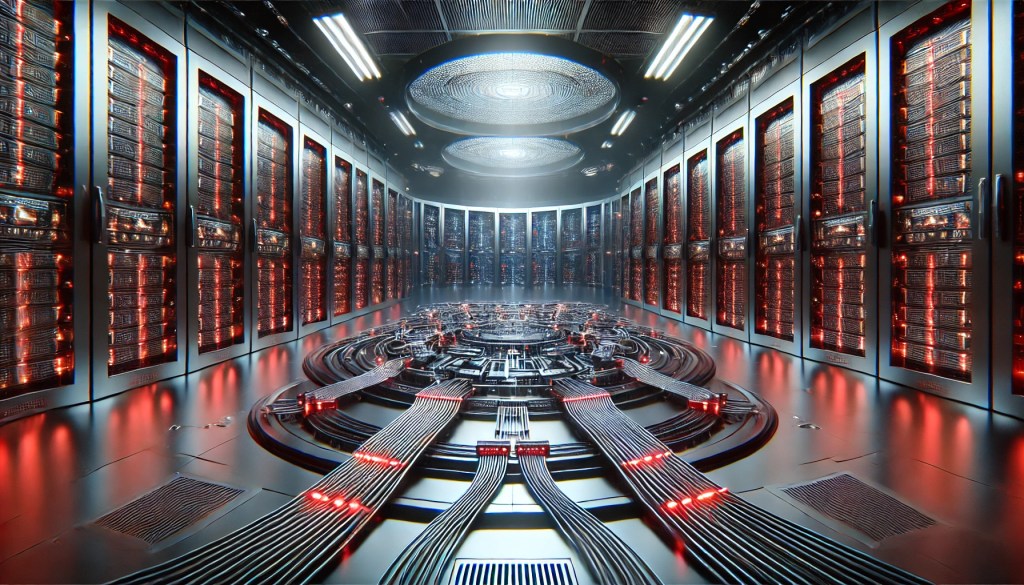
Introduction to the Coil Whine Attack
The PIXHELL attack is an innovative and dangerous side-channel attack method targeting air-gapped computers. Air-gapped systems are physically isolated from external networks, typically employed by organizations to safeguard critical and sensitive data from unauthorized access. These systems are usually considered secure due to their physical disconnection from external networks such as the internet, but the PIXHELL attack provides a way to bypass these security measures. It leverages the noise generated by pixel patterns displayed on LCD screens to create acoustic signals, which can be used to exfiltrate sensitive data covertly. This makes PIXHELL a powerful new tool in the arsenal of advanced cyber attackers.
Side-Channel Attacks and Their Evolution
Side-channel attacks exploit indirect information leaked during the normal operation of hardware systems. Instead of focusing on software vulnerabilities or network-based exploits, side-channel attacks monitor physical characteristics of a machine, such as power consumption, electromagnetic emissions, or sound, to retrieve sensitive information. Previously known methods, such as the “Fansmitter” attack (which exploited fan noise) or “Diskfiltration” (which used hard disk noise), demonstrated how physical hardware could inadvertently provide a pathway for attackers to extract data. PIXHELL represents a significant evolution in side-channel attack techniques, taking advantage of sound emissions from LCD screens.
How the PIXHELL Attack Works
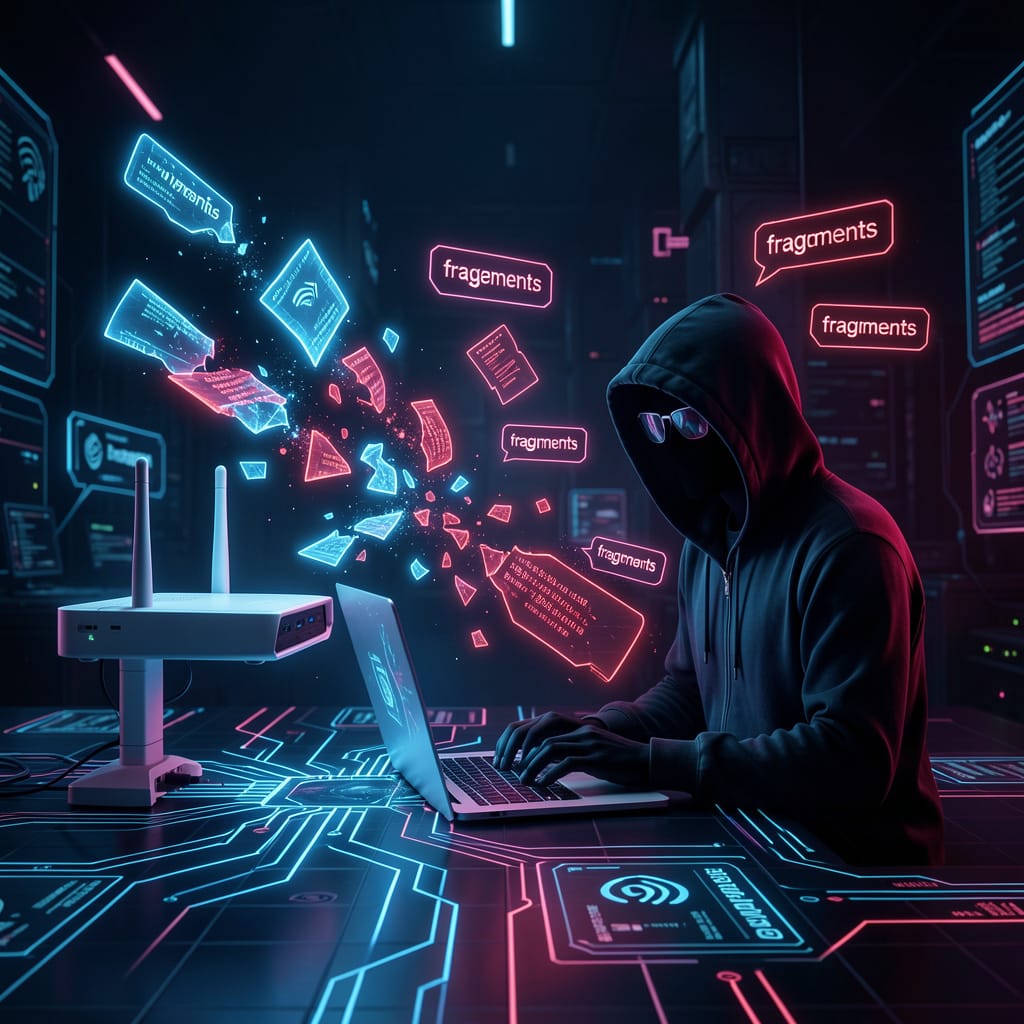
The PIXHELL attack works by manipulating the pixel patterns on the LCD screen of an air-gapped computer to produce acoustic signals. Malware running on the air-gapped system generates specific pixel arrangements, which, in turn, affect the power consumption of the display. This change in power consumption causes internal components of the screen, particularly capacitors and inductors, to emit faint sounds. These sounds, often referred to as “coil whine,” are typically inaudible to human ears but can be captured by nearby recording devices.
PIXHELL leverages these sounds to transmit sensitive data, such as passwords or encryption keys, by modulating the acoustic signals based on the patterns displayed on the screen. Since white or bright pixels require more power to display than dark pixels, alternating between light and dark pixels creates variations in power consumption that produce the desired sound waves. These waves are then modulated in a way that allows an attacker to encode sensitive data into the acoustic signals, which can be intercepted by a nearby device, such as a smartphone or laptop. The attacker can then demodulate the captured sound to retrieve the exfiltrated data.
Exploiting Pixel Patterns for Data Transmission
The core of the PIXHELL attack lies in the precise control of pixel patterns on the LCD screen. By generating high-contrast pixel patterns, such as alternating rows of black and white pixels, the malware can induce significant fluctuations in the screen’s power consumption. These fluctuations translate into mechanical vibrations within the screen’s capacitors and inductors, resulting in the emission of sound waves. The frequency and intensity of these sound waves are controlled by the specific pixel patterns displayed on the screen.
The malware modulates these sound waves to transmit binary data—strings of 0s and 1s—by varying the frequency according to the pixel arrangements. The sound is then captured by a nearby device, which decodes the acoustic signals into readable data. In an ideal setup, the receiving device can be located up to two meters away from the air-gapped system, allowing the attacker to exfiltrate data without physical access to the machine.
Stealth and Evasion Techniques in PIXHELL
While the basic PIXHELL attack relies on high-contrast pixel patterns, which would be visible to a user, more advanced versions of the attack incorporate stealth tactics. Attackers can reduce the brightness of the pixel patterns to the point where they are nearly invisible to the naked eye, but still generate sufficient acoustic signals to transmit data. For example, the malware can use pixel values like (1,1,1) or (7,7,7) for red, green, and blue, producing pixel patterns that appear almost black while continuing to generate the necessary sound waves for data exfiltration.
This technique allows the malware to remain covert, particularly during periods when the system is unattended. In what is known as an “overnight attack,” the malware can run during off-hours, transmitting data when no one is present to observe the screen. However, using low-brightness pixel patterns does reduce the strength of the sound signal, which limits the amount of data that can be transmitted in a given time period. This trade-off between stealth and transmission efficiency is one of the defining characteristics of the PIXHELL attack.
Countermeasures to Defend Against PIXHELL
Since the PIXHELL attack exploits the physical characteristics of the LCD screen, traditional security measures like firewalls, antivirus software, or encryption offer no protection. Instead, new countermeasures must be developed to detect or prevent these types of attacks. Several potential defenses have been proposed to mitigate the risk posed by PIXHELL.
- Acoustic Jammers: One of the most effective defenses against PIXHELL is the use of acoustic jammers, which generate noise across a wide frequency range, drowning out the sound signals emitted by the screen. By masking the acoustic signals generated by the pixel patterns, acoustic jammers make it difficult or impossible for an attacker to capture the data.
- Physical Monitoring: Another countermeasure involves monitoring the screen for unusual pixel patterns. Since PIXHELL relies on specific pixel arrangements to generate sound, a system that detects these patterns in real time could alert administrators to an ongoing attack. Additionally, using cameras to monitor the screen during off-hours could prevent overnight attacks.
- Limiting Physical Access: Restricting access to air-gapped systems is a fundamental security practice. Preventing unauthorized individuals from placing recording devices near the system, such as smartphones or laptops, can reduce the likelihood of an attack. Furthermore, enforcing strict policies regarding the use of external devices in secure areas can help prevent attackers from capturing the acoustic signals transmitted by the screen.
- Hardware Modifications: Another possible defense involves modifying the hardware of the LCD screen to prevent it from emitting the acoustic signals that PIXHELL exploits. For example, shielding the capacitors and inductors inside the screen could reduce or eliminate the coil whine produced during pixel pattern changes. Additionally, using screens with lower power consumption may reduce the intensity of the sound generated.
Broader Implications of the PIXHELL Attack
The discovery of the PIXHELL attack has far-reaching implications for organizations that rely on air-gapped systems to protect sensitive data. The attack demonstrates that even systems considered secure due to their physical isolation can be compromised through unconventional means. This highlights the need for a multi-layered approach to security, where defenses extend beyond traditional network and software protections to encompass the physical hardware of the system.
PIXHELL also raises important questions about the future of hardware security. As computing devices become more complex and incorporate specialized components, the potential for new side-channel attacks increases. While air-gapped systems have long been considered a gold standard for data protection, PIXHELL shows that even these systems are vulnerable to exploitation. This underscores the need for continuous research and innovation in cybersecurity to address emerging threats.
Conclusion
The PIXHELL attack represents a significant advancement in side-channel attack techniques, utilizing the sound generated by pixel patterns on LCD screens to exfiltrate sensitive data from air-gapped systems. By carefully controlling the pixel patterns displayed on the screen, malware can induce acoustic signals that are modulated to transmit data covertly. While traditional security measures are ineffective against this type of attack, new countermeasures such as acoustic jammers and physical monitoring are being developed to defend against PIXHELL.
As the cybersecurity landscape continues to evolve, the discovery of PIXHELL serves as a reminder of the importance of securing not only software and networks but also the physical components of computing systems. With the potential to compromise even air-gapped systems, PIXHELL underscores the need for a comprehensive and proactive approach to security in the face of ever-advancing threats.


 ITInnovationStation
Leave a comment